Tequila · El Arenal, Jalisco, Mexico
Cascahuín
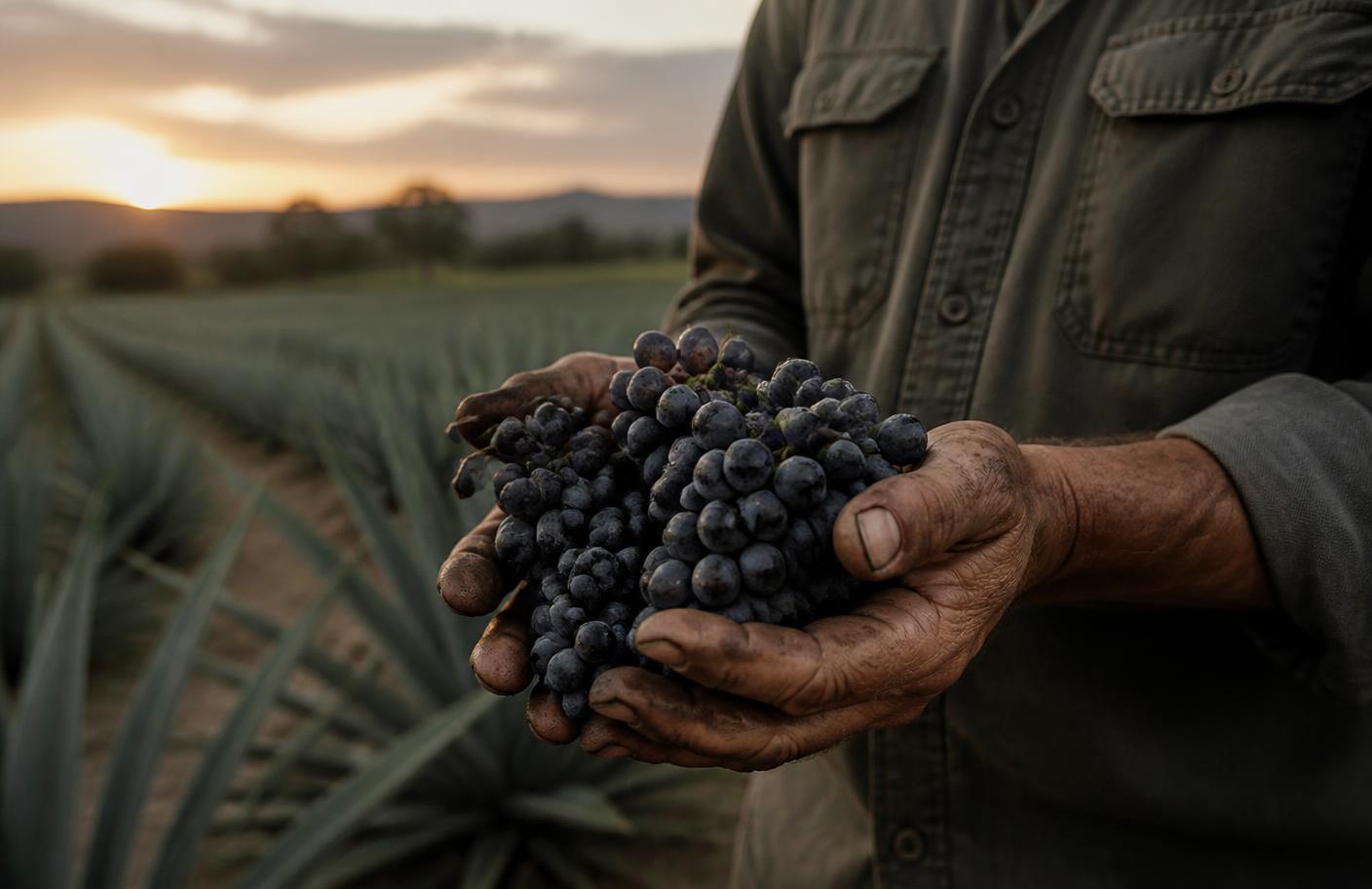
The Cascahuín story begins in 1904 in a small taberna in El Arenal, in the heart of tequila's valley region. In the 1930s a young Salvador Rosales Briseño learned the craft of vino mezcal there before striking out on his own, and the distillery he founded — NOM 1123 — is still run by his family three generations later. They cook valley agave in brick ovens, ferment in the open air, and for the Tahona bottling crush with a stone wheel, the way it was done when the family started. Nothing added, nothing hidden.
Visit their site →Mezcal · Pino Bonito, Michoacán, Mexico
Don Mateo
Don Mateo is named for Don Mateo Rangel, a fourth-generation maestro mezcalero and the great-grandfather of the family's current distillers. Six generations of the Vieyra family have worked the pine-forested highlands of Michoacán since 1840, and today Maestro Emilio Vieyra carries the name forward — helping win Denomination of Origin recognition for Michoacán mezcal along the way. Wild and cultivated agave, family stills, and a house style that leans herbal and floral rather than smoky.
Visit their site →Wine · Cawston, Similkameen Valley, Canada
Hugging Tree
After decades of RCMP postings and thirteen moves, Cristine and Walter Makepeace were ready to put down roots. In 2005 they bought a highway-side organic apple and peach orchard near Cawston in the South Similkameen, and the property grew into a family winery. Their son Bradley James makes the wine — an analog soul who favours old presses, manual tools, and doing things the slow way. Organic farming, small case production, and wines that taste like the valley they came from.
Visit their site →Wine · Villafranca di Verona, Veneto, Italy
Menegotti
The Menegotti family's roots in wine go back to the 1950s, when grandfather Antonio tended vines in the morainic hills south of Lake Garda. His sons Vittorino and Giorgio gave the farm new momentum, and in 1972 the Menegotti label was born with its first Custoza and Bardolino DOC wines. Three generations on, the family still farms those hills — making the fresh, table-first wines the region has always drunk, plus classic-method sparkling.
Visit their site →Cider · Squamish, British Columbia, Canada
Geo Cider
Geo Cider set up in Squamish in 2019 with a self-declared mission: a cider revolution for the Sea to Sky. Every cider is pressed from 100% BC apples — organic, vegan, gluten-free, with no added sugar — and the lineup runs from traditional dry ciders to boundary-pushing flavours. They've also put real care into non-alcoholic pours, because they think everyone at the table deserves a proper glass.
Visit their site →Vodka · Nafpaktos, Greece
Kastra Elion
Kástra Elión takes its name from the Greek words for castle (kastro) and olives (elión) — fitting, because it's the original premium sipping vodka distilled from Greek olives. Founder and master distiller Frank Mihalopoulos, born in Greece with a background in beverage development, blends hand-picked Nafpaktos olives with premium grains, distils in copper stills, and proofs with mineral-rich spring water. The result has a texture and savoury weight that changes what a martini can be.
Visit their site →Tequila · Mexico, NOM 1146
Tequila Cimarron
Master Distiller Enrique Fonseca rose from a fourth-generation agave farmer in Jalisco to become a pioneering figure in tequila, combining innovation with tradition and a deep commitment to family, community, and nature. After major producers canceled long-term contracts with his family in the 1980s, leaving acres of mature agave without buyers, Fonseca responded with resourcefulness and determination: despite having no distilling experience, he purchased the historic La Tequileña distillery and began producing his own tequila, transforming a family crisis into the foundation of an acclaimed global luxury spirit.
Visit their site →Amaro · Italy
Vecchio Magazzino Doganale
Founded in 2016 by self-described “rural liqueur producer” Ivano Trombino, Vecchio Magazzino Doganale creates all-natural Calabrian spirits without artificial colors, flavors, or chemical additives. Inspired by family lore involving an ancestral customs warehouse, shipwrecked Captain Jefferson, and rediscovered 19th-century recipes, the company combines romantic heritage with genuine farm-to-bottle craftsmanship. It grows or wild-harvests up to 70% of its botanicals in Calabria and infuses every seasonal herb and fruit peel separately, a meticulous slow-production method that takes more than 11 months to create each batch of Jefferson Amaro.